
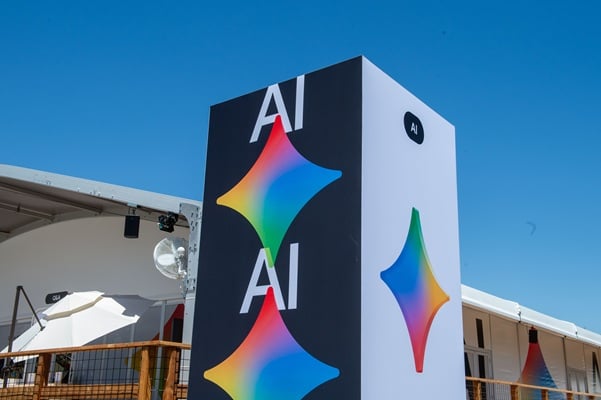
Global markets are increasingly being pulled in two opposing directions as escalating tensions in the Middle East drive oil prices higher while investor enthusiasm surrounding artificial intelligence continues to propel technology stocks to fresh highs.
Concerns over the security of the Strait of Hormuz — through which roughly a fifth of the world’s oil supply passes — have unsettled financial markets amid fears that any disruption could trigger a renewed global energy shock.
The growing risk of confrontation in the region has already pushed energy prices sharply higher, reviving inflation concerns just as central banks had hoped price pressures were beginning to ease.
Economists warn that sustained increases in oil and gas costs could feed directly into transport, manufacturing and household energy bills, placing renewed pressure on consumer spending and complicating the outlook for interest rates.
For policymakers, the timing is particularly difficult. Many central banks, including the Bank of England and the Federal Reserve, had been expected to begin easing monetary policy later this year as inflation gradually moderated.
However, rising energy prices linked to instability in the Middle East are now threatening to delay those expectations, with markets increasingly concerned about a second wave of inflationary pressure.
Despite the geopolitical uncertainty, investor appetite for artificial intelligence-related assets remains remarkably strong.
Technology stocks — particularly semiconductor manufacturers and AI infrastructure firms — continue to attract significant capital as companies race to expand computing capacity and meet surging demand for AI systems.
Chipmakers have emerged as some of the biggest beneficiaries of the boom, with investors betting that spending on data centres, advanced processors and cloud infrastructure will continue to accelerate over the coming years.
The strength of the rally has helped offset broader market anxiety, with major equity indices continuing to hover near record highs even as oil prices climb and geopolitical tensions intensify.
However, analysts are increasingly warning that valuations across parts of the technology sector are becoming stretched.
Some investors fear that expectations surrounding AI growth may now be running ahead of underlying earnings fundamentals, raising the possibility of increased volatility if economic conditions deteriorate or spending slows.
The divergence between weakening macroeconomic confidence and soaring technology valuations has created an increasingly fragile balance in global markets.
While energy shocks have historically weighed heavily on growth and consumer sentiment, the AI-driven investment cycle continues to inject momentum into equity markets, particularly in the United States.
For now, investors appear willing to tolerate geopolitical risk in exchange for exposure to what many believe could become the most transformative technological shift in decades.
But with oil prices rising, inflation concerns returning, and tensions in the Middle East continuing to escalate, markets face the prospect of an increasingly volatile second half of the year.
Susannah Streeter, chief investment strategist, Wealth Club said: “As the standoff in the Middle East grinds on, with fresh attacks reported once again, it’s acting as a drag on indices.
“The FTSE 100 is in the red in early trade and Wall Street is also set to waver. The US has struck the port city of Bandar again, after tankers were reportedly stopped from passing through the Strait of Hormuz. There have also been reports of retaliatory drone attacks on a US base in Kuwait.
“For now, the fragile ceasefire appears to be holding, but hopes for a breakthrough in talks have been dented. The skirmishes have pushed oil prices higher, with Brent crude futures nudging $97 per barrel.
“Control over the Strait of Iran appears to be at the centre of the tensions. Iran has now wielded such power over the key waterway that it may not want to give up control, which the US is deeming unacceptable.
“The Trump administration has placed sanctions on the newly formed Persian Gulf Strait Authority, which is attempting to impose a new maritime regime in the waters.
“It won’t let ships pass without permission, but if ships deal with the Iranians they could be breaching these new sanctions. So, another impasse has developed and, if it isn’t fully resolved, could remain a source of friction and trigger supply chain snarl ups in the future.
“With elevated energy prices on the move higher again, tensions are already fanning the fires of inflation. They are also set to weigh heavily on consumer demand, as household bills rise and shoppers tighten their belts across the world.
“But the bigger tide washing over global markets remains the demand for AI, which continues to push up valuations as rapid earnings growth develops. Goldman Sachs’ estimates that Spring profits will keep powering the S&P 500 higher, after an exceptionally robust first quarter. Demand right now for the technology to build out the backbone for AI advances seems insatiable, but it’s still unclear how long this appetite will remain voracious and when companies will have had their fill of technological spend.
“For now, chipmakers are filling their boots with orders, and it’s sending valuations sky high. Driven by the huge demand for chips, South Korean chipmaker SK Hynix also joined the trillion-dollar club on Wednesday, a day after Micron Technology became a member. The sharp surge in their valuations is likely to set off alarm bells, but for now there is an expectation of further earnings growth ahead.”


Leave a Comment